New Delhi


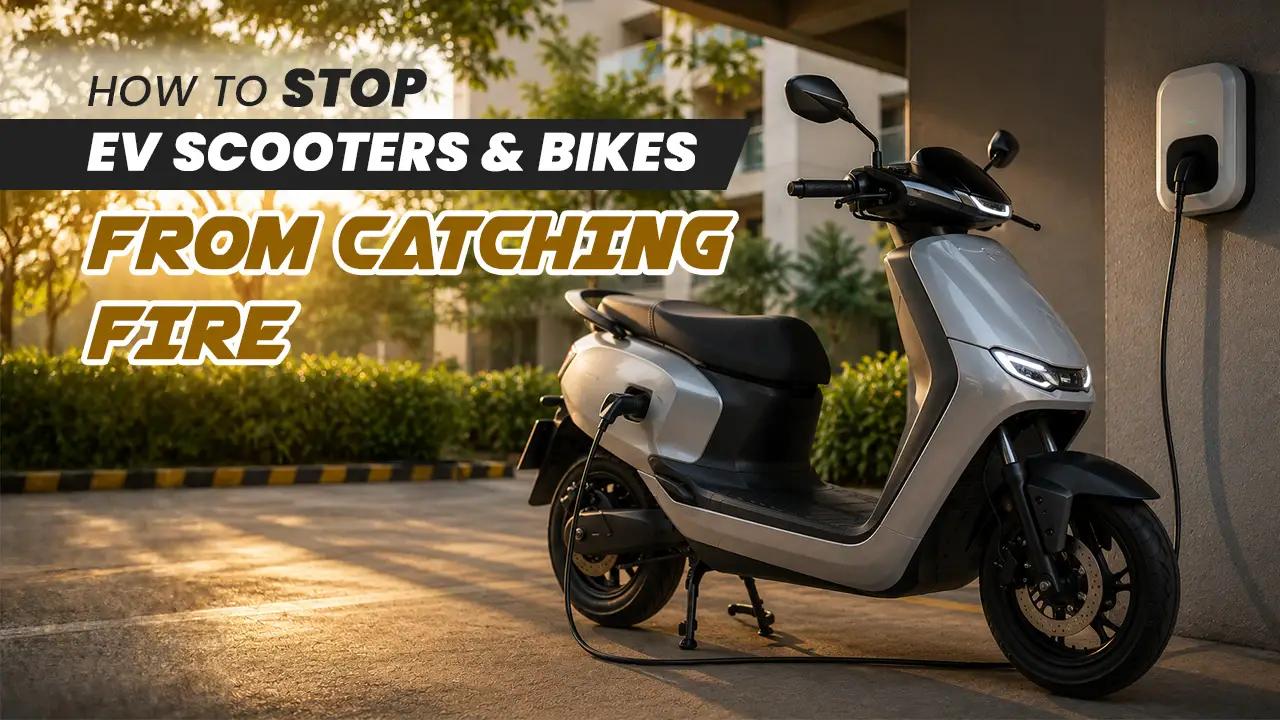

How to Stop EV Scooters and Bikes from Catching Fire: Precautions Every Indian Rider Should Take
Featured Stories by Drivio | 9 Jun 2026
Knowing how to stop EV scooters from catching fire is something every electric two-wheeler owner in India should understand — not because fires are common, but because the consequences of ignoring the warning signs can be severe. As of June 2026, electric scooters and motorcycles have become a mainstream choice across Indian cities, from Bengaluru commuters to delivery riders in Delhi. Modern EVs from reputable manufacturers are generally safe and well-tested. But lithium-ion batteries, like any high-energy system, require a basic level of awareness to stay that way. Battery fires are rare, and they are almost always preventable.
Why EV Battery Fires Happen in the First Place
Lithium-ion batteries store a large amount of energy in a compact space. Under normal conditions, this is exactly what makes them useful. But when a cell is damaged, overcharged, exposed to excessive heat, or physically punctured, the chemistry inside can destabilise. The result is a process called thermal runaway — a chain reaction where heat generates more heat until the battery ignites or ruptures.
This does not happen randomly. It is almost always the result of one or more identifiable causes: poor charging habits, physical damage from flooding or impact, a compromised battery management system, or aftermarket modifications that bypass safety protocols built into the original design.
Understanding these causes is the first step in EV scooter fire prevention.
The Role of the Battery Management System
Every certified electric scooter comes with a Battery Management System, or BMS, built into the battery pack. This is the unsung safety layer of every EV. The BMS monitors cell voltages, battery temperature, current flow, and state of charge in real time. When something goes wrong — say, a cell starts overheating or charging current spikes beyond safe limits — the BMS is designed to cut off power before damage escalates.
The problem arises when the BMS is bypassed or compromised. This happens most often with aftermarket battery replacements, non-certified chargers, or DIY wiring modifications. A battery pack without a functioning BMS is not just an efficiency risk — it is a genuine safety hazard.
Stick to manufacturer-approved service and replacement parts. If your BMS warning light activates — or if your vehicle's app flags a battery error — visit an authorised service centre immediately. Do not ride until the issue is resolved.
Electric Scooter Battery Safety: Charging Habits That Reduce Risk
Most EV battery incidents in India trace back to charging. The charger that comes with your electric scooter is designed specifically for your battery's voltage and current tolerances. Using a cheaper substitute — particularly roadside charger adaptors that are not manufacturer-certified — can increase the risk of overcharging, cell stress, and heat buildup over time.
A few charging habits that matter:
Avoid charging immediately after a long ride in peak summer heat. Let the battery cool for 15–20 minutes first. Lithium-ion cells absorb charge less efficiently when hot, and continuous charging in this state may lead to battery damage over time.
Do not leave the scooter on charge for extended periods beyond what is needed, particularly overnight on non-smart chargers. Most modern EVs have overcharge protection built in, but degraded chargers or faulty charging points can override this.
If you live in an apartment and charge in a covered parking area or garage, ensure adequate ventilation. Charging in a completely sealed, unventilated space concentrates any heat or fumes that may be produced during an abnormal charging event.
How Indian Summer Temperatures Affect EV Battery Overheating
India's summer months — April through June — routinely push ambient temperatures above 40°C in northern and central states. For EV batteries, operating in extreme heat is stressful. The battery's cooling system (passive in most two-wheelers) works harder, and the risk of EV battery overheating increases noticeably when the scooter is parked in direct sunlight for extended periods.
Practical precautions for summer ownership:
Park in shade whenever possible. Even 20–30 minutes of direct sunlight exposure on a dark-coloured battery casing can raise surface temperatures considerably. Over time, repeated heat cycling degrades cell capacity and could result in thermal runaway in extreme situations.
Avoid charging during the hottest part of the day — typically between noon and 4 PM in peak summer. Early morning or late evening charging is significantly safer for both battery health and fire risk.
If your scooter has a battery temperature readout on its app or display, check it before and after rides during May and June. Consistently high temperatures are worth flagging at a service centre.
Monsoon Riding and Water Damage: What Riders Often Miss
Flooding and waterlogging are common in Indian cities during the monsoon, and electric two-wheelers are routinely ridden through waterlogged streets. Most EVs from established manufacturers are IP-rated for water resistance — but there is a difference between water resistance and water immersion.
A battery pack that has been submerged, or exposed to significant water ingress through damaged seals, may not show problems immediately. Internal corrosion and short circuits can develop slowly, only becoming apparent weeks or months later. Riders who experienced flood exposure during July or August and then notice unusual behaviour — slower charging, unexpected shutdowns, reduced range — should have the battery inspected without delay.
Problems noticed after flood exposure tend to be gradual. Do not assume that because the scooter rides fine today, the battery is undamaged. An authorised technician can run diagnostics that reveal moisture infiltration long before it becomes a safety issue.
Certified OEM Systems vs. Aftermarket Battery Modifications
This is one area where the difference in risk is not subtle.
OEM battery packs from manufacturers like Ola Electric, TVS, Bajaj, Ather, and others go through extensive certification processes — including thermal stability testing, vibration resistance, and BMS validation. The chargers, connectors, and enclosures are all designed to work together. When something goes wrong, the system fails safely.
Aftermarket battery modifications — particularly swapping to uncertified third-party cells, changing charger specs, or rewiring battery connections to extend range — remove these safety margins. Mistakes seen at roadside charging points and local garages include mismatched charger voltages, exposed wiring near battery terminals, and battery packs installed without secure mounting (vibration over Indian roads can physically damage cells over time).
If your OEM battery pack needs replacement, use only manufacturer-authorised replacements, even if the cost is higher. The price difference between a certified replacement and an aftermarket option is not worth the risk it introduces.
Warning Signs Every EV Owner Should Know
Batteries rarely fail without warning. The signs are there — most riders simply do not know what to look for.
Watch for unusual heat from the battery area during or after a ride. A warm battery is normal. A battery that is hot to the touch, even after 20 minutes of rest, is not.
Any unusual smell — particularly something chemical or burning — during charging or riding is a signal to stop immediately. Do not dismiss it or assume it will pass.
Swelling or deformation of the battery casing is a serious sign of internal cell damage. If the battery housing appears to have changed shape, do not ride the vehicle and contact authorised service support.
Unexpected drops in range, inconsistent charging behaviour, or error messages related to the battery management system all warrant a service inspection — even if the scooter appears to ride normally.
What to Do If Your EV Battery Overheats or Shows Smoke
If you notice smoke, excessive heat, or burning smells from your electric scooter, act immediately:
Stop riding. Pull over and switch off the vehicle. Do not attempt to continue riding to reach a service centre.
Move the scooter away from enclosed spaces — garages, basements, or covered parking. If you cannot move it safely, move yourself and others away.
Do not touch a damaged or smoking battery pack directly. Do not attempt to open the battery casing.
Do not pour water directly onto a lithium-ion battery fire unless instructed by emergency responders. Water can cause short-circuiting and intensify a battery fire in certain conditions.
Call authorised service support and, if the situation is serious, emergency services. Do not attempt DIY repair.
Delivery Riders: Higher Usage, Higher Responsibility
Delivery riders using electric scooters for 8–12 hours a day represent a distinct ownership pattern. Multiple charge cycles per day, frequent high-current charging at public stations, riding in heavy traffic, and exposure to summer heat and monsoon roads all place additional stress on EV batteries.
For delivery riders, EV charging safety tips matter even more. Avoid aggressive fast-charging at uncertified public points. Follow the manufacturer's recommended daily charge cycle guidance. Have the battery inspected every three months rather than relying solely on annual service intervals. And treat any warning sign — however minor — as worth investigating, not ignoring.
The Bottom Line for Indian EV Owners
EV fires are not common. The Indian electric two-wheeler market has grown significantly over the past three years, and the overwhelming majority of scooters and motorcycles on the road operate without incident throughout their service life. Prospective buyers should not be put off by fire-related concerns — modern EVs from established manufacturers are built with multiple layers of protection.
What reduces risk the most is straightforward: use the manufacturer's charger, avoid extreme heat exposure during charging and storage, have the battery inspected after any significant flood exposure, and never use uncertified aftermarket battery replacements. These are not complex precautions — they are the same common-sense habits that extend battery life and keep a well-made scooter safe for years.
Electric scooter fire prevention comes down to awareness. Know your battery, respect its limits, and respond quickly when it tells you something is wrong.
Check the latest electric scooter prices, ownership guides, and EMI options on Drivio before choosing your next EV.