New Delhi


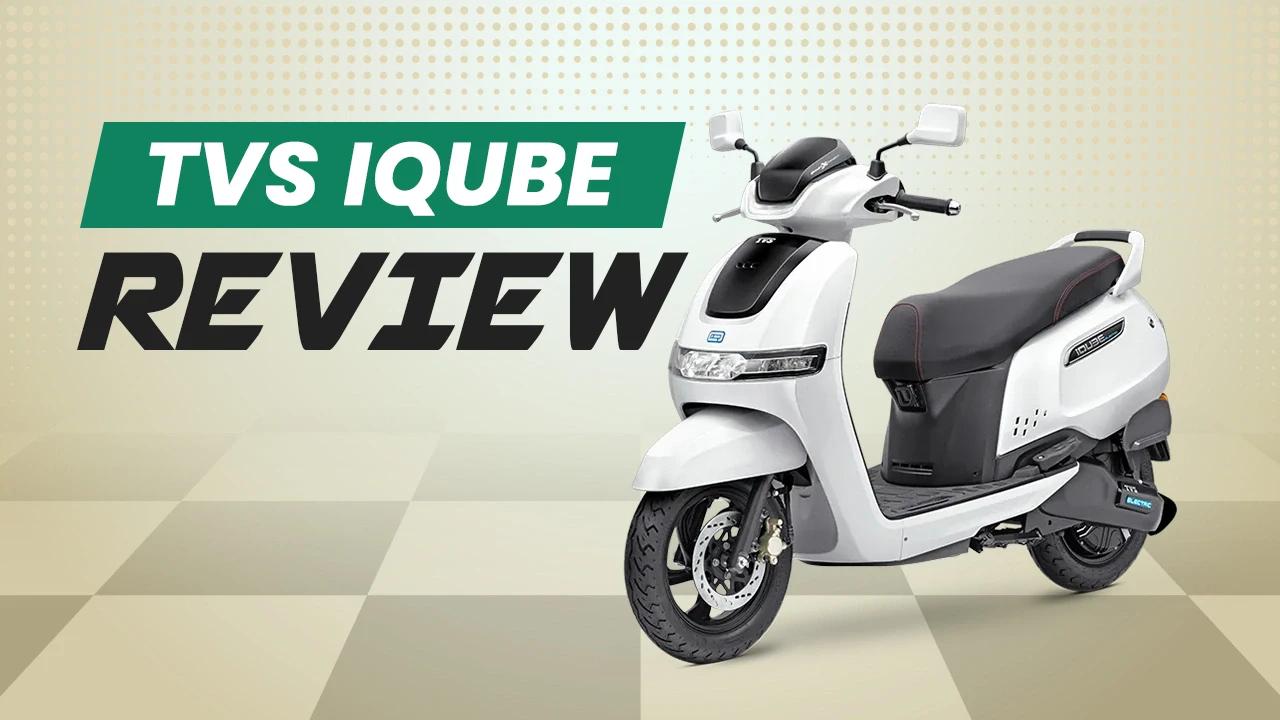

TVS iQube (2.2 kWh Variant) Review: The Value-for-Money King in 2026?
Reviews by Drivio | 23 Feb 2026
The TVS iQube 2.2 kWh variant is the most affordable entry point into the electric portfolio of TVS Motor Company. Priced at approximately ₹1,02,000 (on-road Delhi) and ₹1,12,000 (on-road Bangalore), this variant targets urban commuters who want a reliable electric scooter without paying a premium for performance-focused features.
With an IDC-certified range of 75 km, a top speed of 75 km/h, and strong brand backing, the iQube 2.2 kWh is positioned as a value-focused urban mobility solution for riders with daily commutes under 40 km.
EV Market Landscape in 2026
In 2026, India’s electric two-wheeler market is driven more by affordability and practicality than aggressive performance. The introduction of the PM E-DRIVE (Progressive Mobility through Electric and Decarbonised Economy) scheme, which replaced FAME-II, provides incentives for eligible EV buyers.
The TVS iQube 2.2 kWh qualifies for an estimated subsidy of around ₹5,500 under this scheme, improving its affordability.
It competes directly with:
Unlike many unorganized budget EV brands, TVS offers proven chassis quality, better service coverage, and long-term reliability.
Battery, Range & Performance
The iQube 2.2 kWh focuses on efficiency and urban usability rather than outright power.
Battery
- 2.2 kWh Lithium-ion battery
- NMC (Nickel Manganese Cobalt) chemistry
- IP67-rated for water and dust resistance
- 3 years / 30,000 km warranty
Range
- IDC Range: 75 km
- Real-World Range:
- 60 km (Eco Mode)
- 48 km (Power Mode)
For 80% of urban commuters in India, this range is sufficient. However, riders exceeding 50 km daily may need mid-day charging.
Motor
- BLDC Hub Motor
- Peak Power: 4.4 kW
- Rated Power: 3 kW
- Peak Torque: 140 Nm (at wheel)
- 0–40 km/h: 4.2 seconds
- Top Speed: 75 km/h (electronically limited)
Acceleration is smooth and silent, ideal for city traffic.
Charging Time – A Strong Advantage
One of the biggest highlights of the 2.2 kWh variant is its 950W charger.
- 0–80% charging time: 2 hours
- Full charge cost: Approx ₹20 (at ₹8/unit electricity tariff)
- Real-world cost per km: Approx ₹0.33/km
This makes it nearly six times cheaper to run compared to a petrol scooter.
Detailed Specifications
| Parameter | Specification |
| Ex-Showroom Price | ₹95,999 |
| On-Road Price (Delhi) | ₹1,02,000 (Approx) |
| On-Road Price (Bangalore) | ₹1,12,000 (Approx) |
| Battery Capacity | 2.2 kWh (NMC) |
| IDC Range | 75 km |
| Real-World Range | 60 km (Eco) / 48 km (Power) |
| Top Speed | 75 km/h |
| Charging Time (0–80%) | 2 Hours (950W Charger) |
| Motor Peak Power | 4.4 kW |
| Warranty | 3 Years / 30,000 km |
| Kerb Weight | 115 kg |
| Boot Space | 30 Litres |
Features & Technology
Despite being the base variant, the iQube 2.2 kWh offers practical features:
- 5-inch TFT display (non-touch)
- Bluetooth connectivity via TVS SmartXonnect
- Turn-by-turn navigation
- Call & SMS alerts
- Distance-to-empty indicator
- USB charging port
- Reverse Mode (Q-Park assist)
- 30-litre under-seat storage (fits a full-face helmet)
It misses out on cruise control and touchscreen functionality available in higher variants.
Real-World Ownership Experience
Ride Quality
The suspension setup includes:
- Telescopic front forks
- Twin rear hydraulic shock absorbers
Ride quality is among the best in the segment, especially on broken Indian roads. Compared to some rivals, the damping feels more mature and stable.
Service Network
TVS has over 800 authorized EV service centers across India. This ensures better accessibility for spare parts and trained technicians — a major advantage over newer EV startups.
Pros and Cons
Pros
- Strong build quality and premium paint finish
- Quick 2-hour charging (0–80%)
- Front disc brake as standard
- Wide service network
- Large 30-litre boot space
Cons
- 60 km real-world range limits longer commutes
- Non-removable battery (problematic for apartment residents without charging points)
- Smaller 5-inch display
- 75 km/h top speed feels limited for highway use
Final Verdict: Should You Buy It?
The TVS iQube 2.2 kWh variant is a Buy for:
- College students
- Senior citizens
- Homemakers
- Urban commuters with 15–20 km daily travel
It offers reliable performance, fast charging, strong build quality, and low running costs. For city usage, it justifies its price premium over unknown budget EV brands.
However, it is an Avoid for riders who:
- Travel more than 50 km daily
- Frequently use highways
- Require removable battery convenience
For such users, higher battery variants like the iQube 3.4 kWh or ST variant would be more suitable.
Conclusion
The TVS iQube 2.2 kWh is not built to thrill — it is built to serve. In the 2026 entry-level EV segment, it strikes the right balance between affordability, reliability, and practicality.
If your priority is low running cost, brand trust, and everyday city usability, this scooter genuinely earns the title of “Value-for-Money King” in its category.