Motorcycles Resale Value in India: Which Bikes Hold Their Worth Best in 2026
Overview
Motorcycles Resale Value in India: Which Bikes Hold Their Worth Best in 2026 brings key updates for two-wheeler buyers in India. Motorcycles resale value in India varies so widely between models that two riders who pay nearly the same on-road price can walk away with very different amounts three years later.
Motorcycles resale value in India varies so widely between models that two riders who pay nearly the same on-road price can walk away with very different amounts three years later. As of June 2026, with petrol prices sitting near ₹103/litre in most metro cities and motorcycle loan tenures regularly stretching to four or five years, Indian buyers are paying far closer attention to what a bike will fetch at resale than they did a decade ago. A cheap bike that loses value fast is rarely the smart buy once EMI and exchange value are factored in together.
Motorcycles Resale Value in India: Why It Matters Before You Buy
Buyers who plan to upgrade after three or four years should treat resale value as part of the original purchase decision, not an afterthought once the loan is nearly paid off. A motorcycle that depreciates slowly effectively reduces the real cost of ownership, because the gap between what you paid and what you recover at exchange time stays smaller. This matters even more for buyers financing through EMI, since a bike that holds value gives dealers more confidence when calculating exchange bonuses. In tier-2 and tier-3 markets, where cash transactions in the second-hand bike market India are still common, a recognisable, easy-to-service model sells faster and closer to its fair price than something unfamiliar to local mechanics.
Bikes That Hold Resale Value Best in India
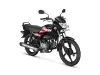
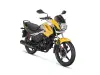
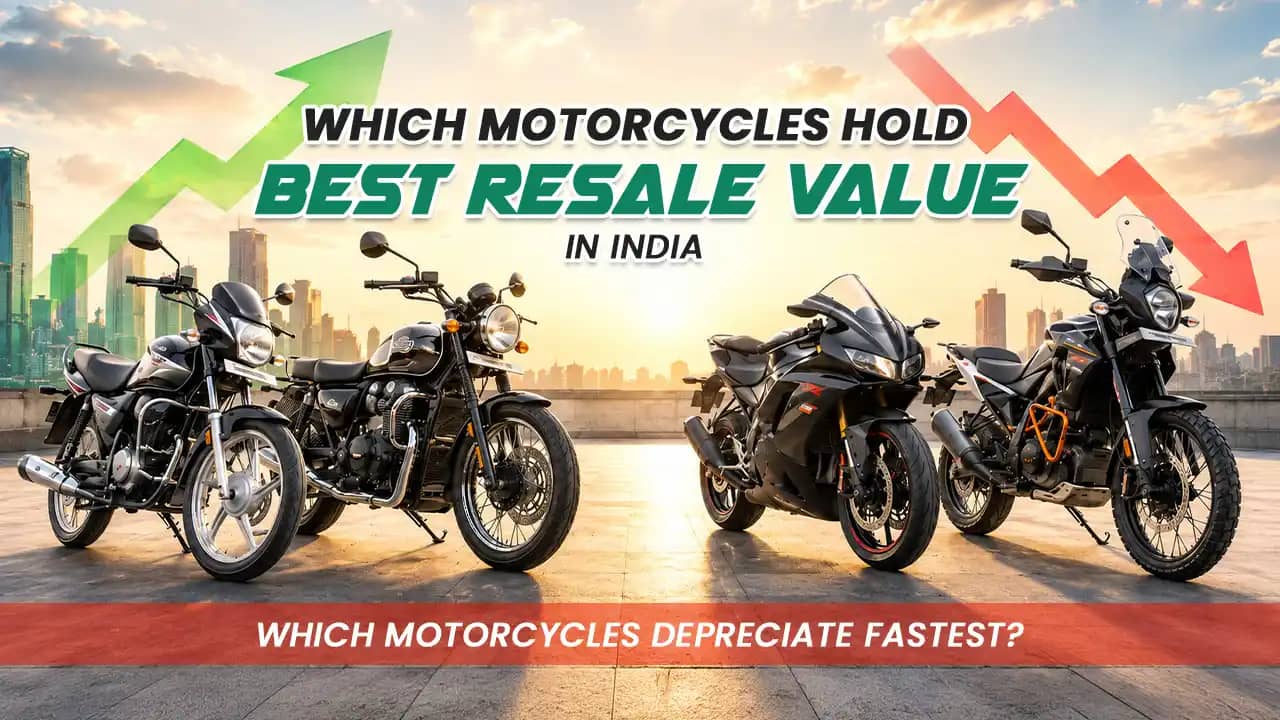
Some motorcycles consistently sell faster and closer to their original price in India's crowded second-hand listings, and the pattern is rarely random. Hero Splendor Plus, Honda Shine, Royal Enfield Classic 350, Yamaha R15 and Bajaj Pulsar show up again and again among the best resale value bikes in India, largely because each has a wide service network, predictable maintenance costs and a buyer base that trusts the brand without needing convincing. Strong resale bikes in this category typically retain around 70–80% of their value after two to three years, provided the kilometres are reasonable and the service history is intact. None of these are the most expensive bikes in their segment, which is itself part of the reason they hold value — affordable spare parts and low running costs keep demand steady even among budget-conscious second owners.
Royal Enfield Resale Value Remains One of the Strongest
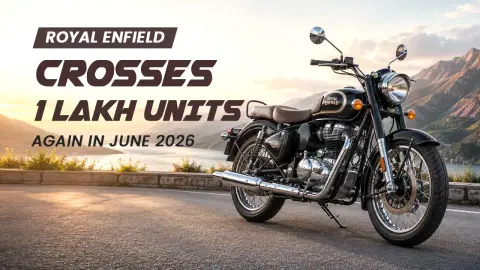
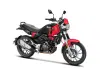
Royal Enfield resale value holds up better than almost anything else in the Indian market, and the reasons go beyond mechanics. The Classic 350 and other Bullet-style models carry an emotional pull tied to touring culture and long ownership pride, so buyers actively seek out used examples rather than treating them as a last resort. Waiting periods on new bookings in some cities also push buyers toward the used market, which keeps demand — and prices — firm. Drivio's ownership-cost breakdown of the Classic 350 covers this in more depth, but the short version is that a well-kept example with moderate kilometres can comfortably sit at the higher end of that 70–80% retention band even after three years of regular use.
Commuter Bikes Still Win on Practical Resale
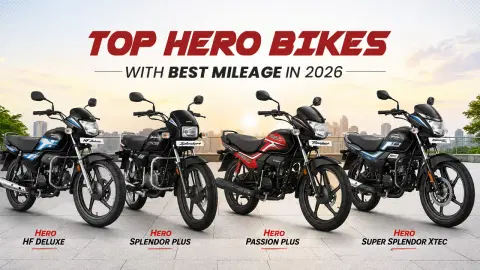
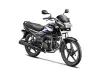
Commuter bike resale value rarely grabs headlines, but bikes like the Splendor Plus, HF Deluxe and Honda Shine quietly outperform flashier motorcycles in everyday resale situations. Their mileage figures matter more than ever with petrol near ₹103/litre, and that fuel economy advantage carries directly into used-bike negotiations. Rural and semi-urban buyers, who make up a large share of India's daily commuting riders, prefer these models because financing approval is easier and local mechanics already know the bikes inside out. This practical, low-drama appeal is exactly why commuter bike resale value stays consistent across cities, from Delhi to smaller tier-2 towns.
Which Motorcycles Depreciate Fastest in India?
Not every motorcycle ages well financially, and the pattern among fast-depreciating bikes is just as consistent as the one among strong performers. Niche premium motorcycles, low-volume adventure bikes and motorcycles with a narrow buyer base tend to lose value quickly because there simply aren't enough interested second owners chasing them. Superbike depreciation India follows its own logic too — expensive servicing, costly insurance premiums and parts that often need to be imported all discourage potential used buyers, even when the bike itself is in excellent condition. Discontinued models and slow-moving variants suffer the same fate, since buyers worry about long-term parts availability a few years down the line, and frequent manufacturer discounts on new units of the same model can drag used prices down almost overnight.
Bike Depreciation Rate India: What Buyers Should Expect
The bike depreciation rate India sees across segments is wide enough that two motorcycles bought for similar money can diverge sharply within three years. A well-maintained ₹90,000 commuter can still sell strongly, often holding onto a large share of its value if service records are clean and mileage is reasonable. A mid-segment motorcycle bought at roughly ₹2 lakh on-road may lose somewhere between ₹40,000 and ₹70,000 over three years depending on demand, condition and how the model is viewed in the used market. A premium motorcycle priced near ₹6 lakh, by contrast, can lose considerably more, simply because the pool of buyers willing to pay that much for a used bike is much smaller. None of these figures are fixed — they shift with city, accident history, insurance continuity and how well the bike has been documented and serviced.
Best Resale Value Bikes vs Fastest Depreciating Bikes
Putting the two ends of the market side by side makes the logic easier to see at a glance.
| Bike Type | Resale Strength | Reason | Buyer Advice |
| Commuter (Splendor Plus, Shine) | Strong | Low running cost, easy service, rural demand | Buy with confidence for resale |
| Royal Enfield Classic 350 | Strong | Brand pull, touring culture, waiting periods | Holds value if well maintained |
| 150–200cc bikes (Pulsar, R15) | Average to strong | Wide service network, steady demand | Good middle-ground resale pick |
| Niche premium / superbikes | Weak | High running cost, small buyer pool | Avoid if resale matters |
What This Means for Indian Riders
Resale value affects far more than the final selling price — it shapes how much EMI actually costs over the life of the loan, how large an exchange bonus a dealer is willing to offer, and how comfortably a rider can upgrade without dipping into savings. Buyers in Delhi, Mumbai, Pune and Bengaluru often see slightly higher resale prices simply because demand is denser and listings move faster, while tier-2 and tier-3 buyers may need a little more patience but still benefit from strong brand recognition. For anyone planning to switch motorcycles within three to five years, factoring in motorcycles resale value in India at the time of purchase — not at the time of selling — makes the entire ownership cycle noticeably cheaper.
Verdict: Which Motorcycle Should You Buy for Strong Resale?
For riders who want resale and daily reliability in equal measure, commuter motorcycles like the Splendor Plus or Honda Shine remain the safest bet. Buyers chasing both emotional satisfaction and strong resale should look at the Royal Enfield Classic 350, while those wanting a sportier ride without sacrificing resale can lean toward the Yamaha R15 or Bajaj Pulsar. Anyone focused purely on resale should stay cautious around niche premium bikes, discontinued models and low-demand motorcycles, since these consistently sit at the weaker end of used motorcycle prices regardless of how well they're maintained. Check the on-road price and EMI for the commuter or Royal Enfield category in your city on Drivio.
Motorcycles resale value in India varies so widely between models that two riders who pay nearly the same on-road price can walk away with very different amounts three years later. As of June 2026, with petrol prices sitting near ₹103/litre in most metro cities and motorcycle loan tenures regularly stretching to four or five years, Indian buyers are paying far closer attention to what a bike will fetch at resale than they did a decade ago. A cheap bike that loses value fast is rarely the smart buy once EMI and exchange value are factored in together.