Overview
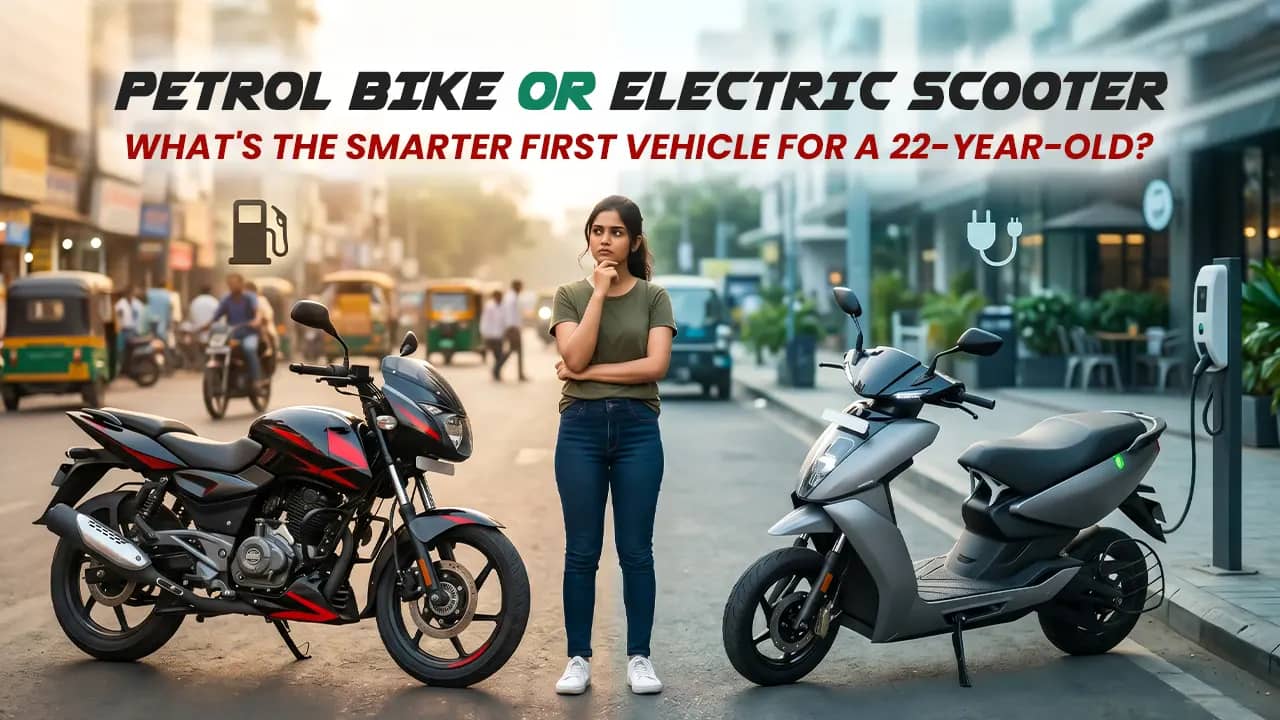
Petrol Bike or Electric Scooter — Smarter First Buy? brings key updates for two-wheeler buyers in India. For a 22-year-old buying a first two-wheeler in India, the decision between a petrol bike and an electric scooter is no longer simple. Rising fuel prices, improving EV infrastructure, and
For a 22-year-old buying a first two-wheeler in India, the decision between a petrol bike and an electric scooter is no longer simple. Rising fuel prices, improving EV infrastructure, and changing urban commuting patterns have made electric scooters more practical than ever. At the same time, petrol bikes still dominate when it comes to long-distance usability, reliability, and emotional appeal. The smarter choice ultimately depends on daily usage, budget, and lifestyle priorities.
Engine, Motor & Performance
Petrol bikes still deliver the more engaging riding experience. A typical 125cc commuter motorcycle offers stronger highway stability, higher top speed, and better long-distance comfort. Models like the Hero Xtreme 125R or Honda SP125 provide around 10-11 hp, easy refuelling, and proven reliability. Riders covering more than 40-50 km daily or planning frequent highway trips will still appreciate the flexibility of an ICE motorcycle.
Electric scooters, however, excel in urban traffic. Instant torque delivery makes them feel quicker off the line, especially in city conditions. Popular EVs such as the Ather Rizta and TVS iQube now offer practical real-world range, fast charging options, and lower running costs. Electricity costs remain dramatically lower than petrol, making EV ownership attractive for college students and young professionals. Industry comparisons show EVs can cost nearly 70-80% less per kilometre to run than petrol two-wheelers.
Practicality & Ownership Experience
A petrol bike remains easier to own for riders without reliable home charging. Refuelling takes minutes, service networks are everywhere, and resale value remains more predictable. Petrol motorcycles also handle poor weather and longer journeys with fewer concerns.
Electric scooters shine in low-maintenance city commuting. No clutch, no gearbox, and minimal servicing make them extremely beginner-friendly. For riders travelling 15-25 km daily in urban areas, an EV scooter is often the more economical long-term choice. Delhi’s proposed EV-focused policies also suggest electric adoption will only accelerate over the next few years.
| Specification | Petrol Bike (125cc Commuter) | Electric Scooter (Ather Rizta/TVS iQube Class) |
| Engine/Motor Power | 124cc Single-Cylinder | 3-4.4 kW Electric Motor |
| Max Power | 10-11 hp | 5.4-7 bhp equivalent |
| Peak Torque | 10-11 Nm | 22-33 Nm |
| Top Speed | 95-110 km/h | 80-100 km/h |
| Mileage/Range | 55-65 km/l | 100-150 km/charge |
| Charging Time | Not Applicable | 4-6 hours |
| Ex-Showroom Price (Delhi) | ₹90,000-₹1.10 lakh | ₹1.05-₹1.45 lakh |
For most 22-year-olds living in cities, an electric scooter is now the smarter financial decision if daily riding is predictable and charging access is available. Lower running costs, easier riding, and reduced maintenance make EVs ideal for commuting and college use. However, riders who value highway freedom, touring capability, and long-term resale confidence will still find a petrol bike more satisfying. The smartest first vehicle is not about trends — it is about choosing the machine that genuinely fits your lifestyle.
For a 22-year-old buying a first two-wheeler in India, the decision between a petrol bike and an electric scooter is no longer simple. Rising fuel prices, improving EV infrastructure, and changing urban commuting patterns have made electric scooters more practical than ever.