New Delhi


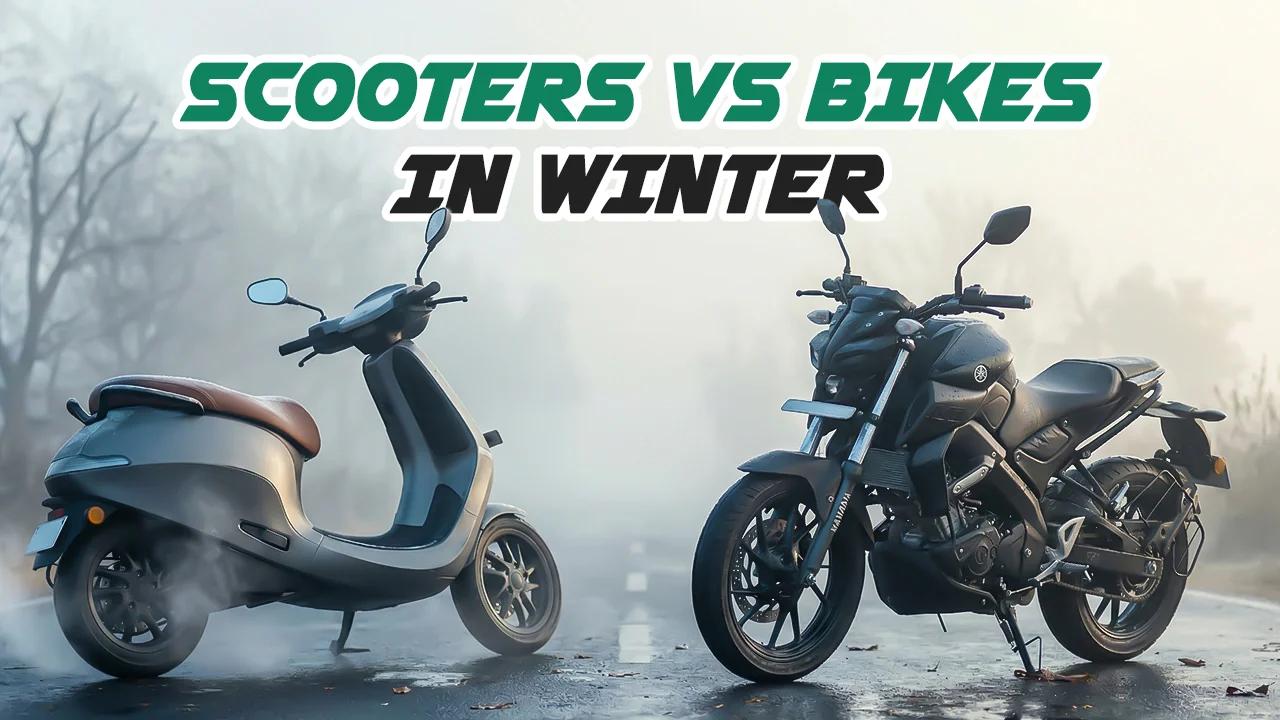

Scooters vs Bikes in Winter: Cold Weather Performance
Featured Stories by Drivio | 10 Jan 2026
Winter changes how two-wheelers behave. Cold air affects engine response, tyres lose grip, and rider comfort becomes critical. In the debate of scooters vs bikes in winter, understanding real-world cold weather performance helps commuters and enthusiasts choose the right machine for the season.
Engine & Performance in Cold Weather
Scooters typically use CVT gearboxes, delivering smooth, linear power even in low temperatures. Cold starts are easier on modern fuel-injected scooters, and the automatic transmission reduces rider effort when engines feel sluggish in winter mornings. Bikes, especially larger-capacity models, offer stronger torque and higher cruising stability. However, manual gear changes with thick gloves and cold clutches can feel tiring in stop-go traffic. For short city rides, scooters feel more forgiving; for longer winter commutes, bikes maintain consistent performance once warmed up.
Chassis, Tyres & Road Grip
Winter roads mean dust, fog moisture, and occasional frost in colder regions. Scooters have smaller wheels, which can feel less stable on slippery patches but are easier to control at low speeds. Bikes benefit from larger wheels and longer wheelbases, offering better straight-line stability and confidence on highways. Tyre compound matters more than vehicle type—winter riding bikes or scooters both perform better with well-maintained tyres and correct pressure in cold weather.
Comfort, Protection & Practicality
Scooters clearly win on winter comfort. Flat floors allow better leg placement, easier layering, and optional leg guards. Built-in storage helps carry gloves and rain liners. Bikes expose riders more to cold wind but offer better posture options on rough roads. In extreme cold, scooters are often preferred for daily winter commuting due to convenience and reduced fatigue.
Mileage & Daily Usability
Cold weather two-wheelers generally see a slight drop in fuel efficiency. Scooters, with smaller engines, remain economical for short trips. Bikes consume more fuel during warm-up but are more efficient over longer distances. For urban riders, scooters or bikes for winter depend on commute length and road conditions.
Conclusion
When comparing scooters vs bikes in winter, scooters excel in ease, comfort, and city usability, while bikes deliver stability and confidence on longer routes. If winter riding means short, daily commutes in traffic, a scooter is the smarter choice. For highway use or varied terrain, a bike performs better once temperatures drop. Ultimately, the best winter two-wheeler matches your riding pattern, not just the season.