Overview
Winter Fog & Bike Safety on North India Highways brings key updates for two-wheeler buyers in India. Winter fog in North India isn’t just a seasonal nuisance — it’s a serious road safety hazard, especially for bike riders on highways. During December and January, dense fog can
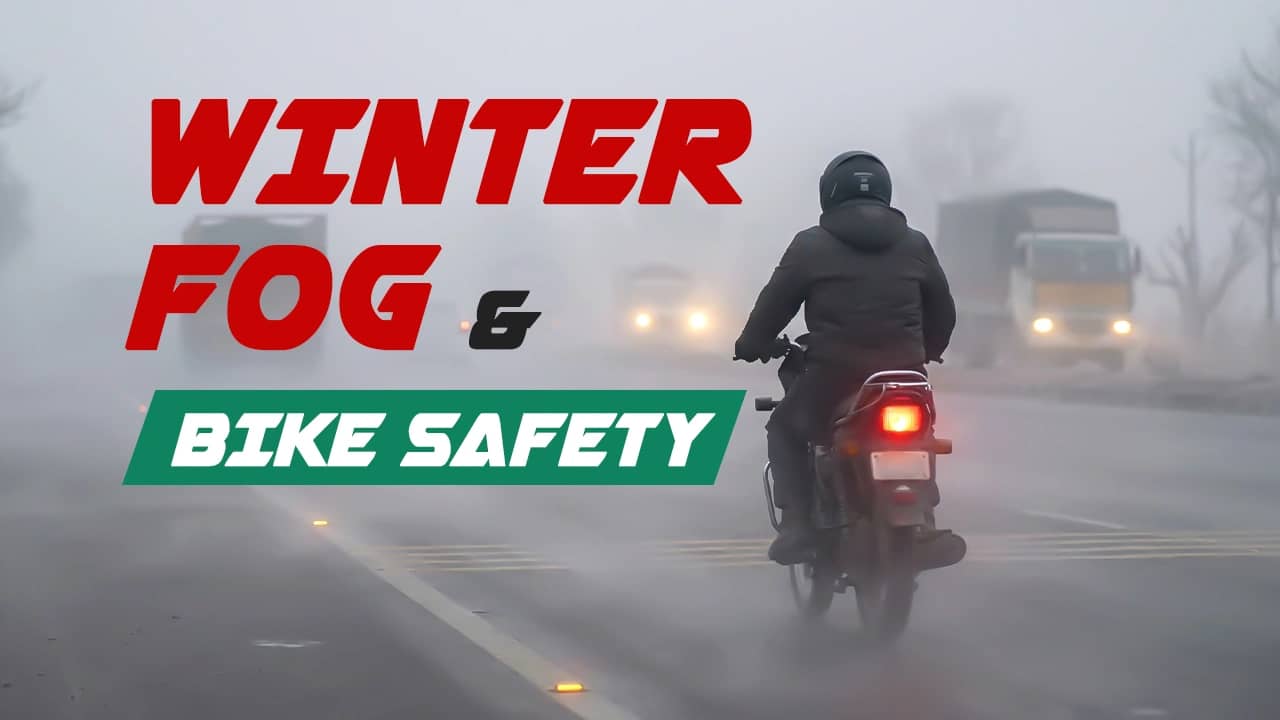
Winter fog in North India isn’t just a seasonal nuisance — it’s a serious road safety hazard, especially for bike riders on highways. During December and January, dense fog can reduce visibility to just a few metres, leading to sudden collisions and pile-ups on busy routes like the Yamuna Expressway, GT Road, and NH-48. Riding a motorcycle in such conditions demands heightened caution, good preparation, and an understanding of how fog affects visibility, reaction time, and your bike’s handling.
Why Fog Is Dangerous for Bikers
When winter fog blankets highways, visibility can drop drastically. This limited sight distance reduces a rider’s ability to see obstacles, lane markings, or other vehicles in time to react safely. Fog also creates a deceptive perception of distance and speed — riders may feel they’re going slower or can stop quicker than they actually can. On highways where vehicles travel fast, these misjudgments can quickly turn into crashes. In recent weeks, dense fog has contributed to multi-vehicle collisions on Northern highways, resulting in fatalities and serious injuries.
Pre-Ride Preparations for Foggy Conditions
Before heading out on a foggy morning, prepare your bike and gear properly:
- Lights & Reflectors: Ensure headlights and tail lights are clean and working; use low beams or fog lights instead of high beams, which reflect off the fog and worsen visibility.
- High-Visibility Gear: Wear reflective clothing and use reflective tape on your bike so others can spot you easier.
- Bike Check: Verify brakes, tire tread, and suspension before every ride — these affect stopping power and stability.
On-Road Riding Techniques
When you’re already on the highway, adjust your riding style to the conditions:
- Reduce Speed: Ride at 20–30 km/h or slower if needed. Lower speeds give you more time to react.
- Maintain Distance: Keep a big gap from the vehicle ahead — at least 5–7 seconds — so you can stop safely.
- Lane Discipline: Stay in your lane and use road edge markings to stay oriented. Abrupt lane changes are dangerous in fog.
- Hazard Awareness: Use hazard lights only if you’re stopped or moving very slowly; unnecessary signals can confuse other drivers.
When to Stop
If fog becomes too dense, it’s safer to find a designated stopping point off the highway and wait it out. Riding through near-zero visibility increases risk dramatically, and even experienced riders can misjudge obstacles or road conditions in such weather.
Winter fog is a formidable challenge on North India’s highways, but with careful preparation, slower speeds, and disciplined riding, you can significantly reduce your risk. Stay alert, prioritize visibility, and never hesitate to pause your journey until conditions improve — arriving safely is always more important than reaching fast.
Winter fog in North India isn’t just a seasonal nuisance — it’s a serious road safety hazard, especially for bike riders on highways. During December and January, dense fog can reduce visibility to just a few metres, leading to sudden collisions and pile-ups on busy routes like the Yamuna Expressway, GT Road, and NH-48.