What Actually Damages an EV in Monsoon? It's Not the Rain You Think
Overview
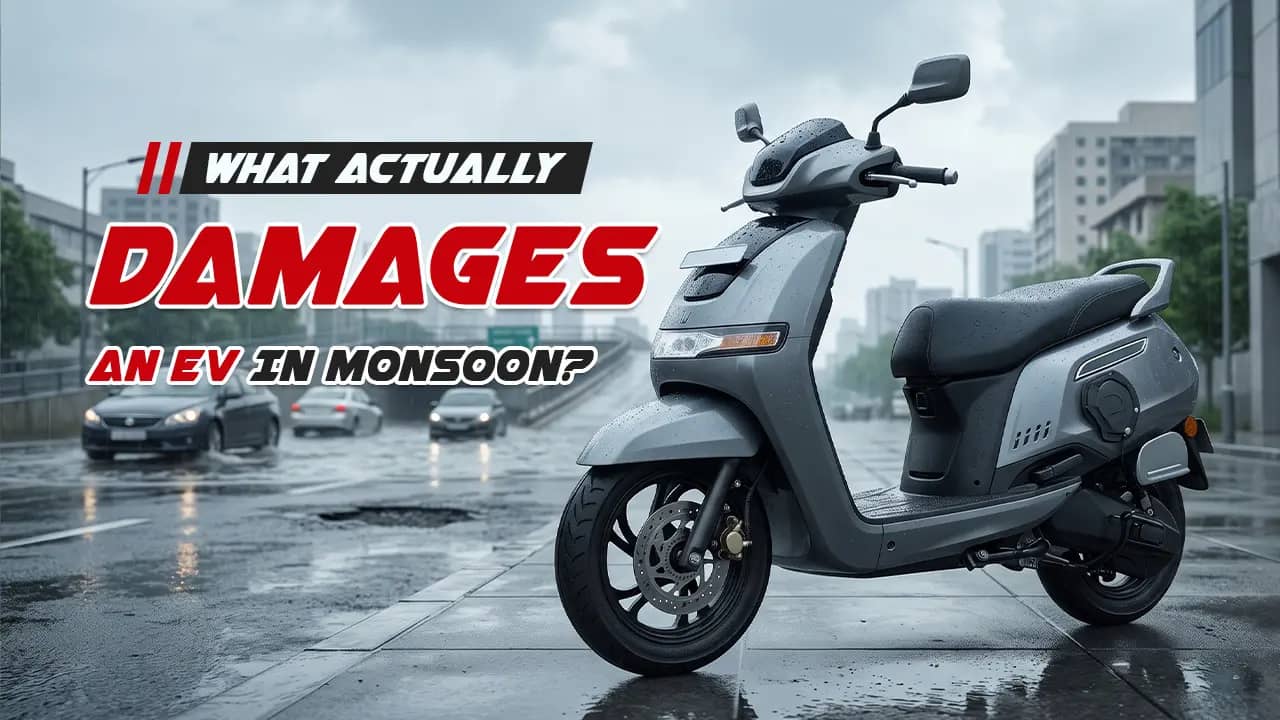
What Actually Damages an EV in Monsoon? It's Not the Rain You Think brings key updates for two-wheeler buyers in India. How to take care of your EV in monsoon comes down to three habits: keep the battery pack dry, keep the charging port clean, and never trust an IP rating
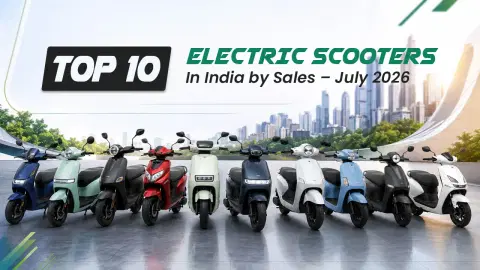
How to take care of your EV in monsoon comes down to three habits: keep the battery pack dry, keep the charging port clean, and never trust an IP rating more than common sense. Every electric scooter sold in India today, from the TVS iQube to the Bajaj Chetak, is built to handle rain and splashing, with prices running from around ₹96,400 to ₹1.62 lakh ex-showroom depending on variant. Yet the real damage during an Indian monsoon rarely comes from a downpour itself — it comes from casual habits like charging with wet hands, parking in a flooded basement, or assuming "waterproof" means "submersible." Get the routine right, and an EV handles monsoon traffic in Gurugram, Mumbai or Bengaluru at least as well as a petrol scooter.
How to Take Care of Your EV in Monsoon Before Every Ride
A few checks before you roll out matter more than any battery spec. Worn tread is far more dangerous in the rain than any water-resistance rating, and disc brakes on models like the Ather Rizta and TVS iQube lose bite when wet, so a light tap before you need to stop hard restores grip within seconds.
- Tyres: most EV scooters run tubeless tyres good for 18,000–25,000 km; budget ₹1,800–₹3,500 per tyre for replacement
- Brakes: test with a light tap early in the ride, especially after standing water
- Charging port and connector housing: check for cracks or loose panels near the footboard — this is where water actually gets in, not through the sealed battery casing
- Underbody panels: a quick visual scan takes seconds and catches most pre-monsoon problems
What IP67 or IP68 Actually Means for Your Scooter
Manufacturers throw IP ratings around like a marketing badge, but the number tells you something specific. The first digit covers dust, the second covers water — TVS, for instance, rates the iQube's battery pack IP67, meaning it can survive being submerged in up to a metre of water for around 30 minutes. That's not a licence to ride through a flooded underpass. It means the battery can handle splashing, heavy rain, and a puddle you didn't see coming. Riding through knee-deep water for a sustained stretch is a different situation entirely, and no manufacturer's warranty is written to cover that kind of use.
Charging Your EV Safely When It's Pouring Outside
Charging is where most monsoon-related damage actually starts, not riding. Dry your hands and the charging plug before connecting, and skip charging altogether if the scooter has just come off a flooded stretch of road — give it at least an hour to air out first. Outdoor charging points without a weatherproof cover are common in Indian housing societies, and plugging into one during active rain risks a short circuit rather than a charged battery. Loose extension boards strung across a wet parking area are worse still; a proper wall-mounted socket with an RCD trip switch is worth the one-time cost. Basement parking spots that flood even slightly during heavy rain should never double as a charging bay.
Waterlogged Roads, Potholes, and Why You Shouldn't Chance It
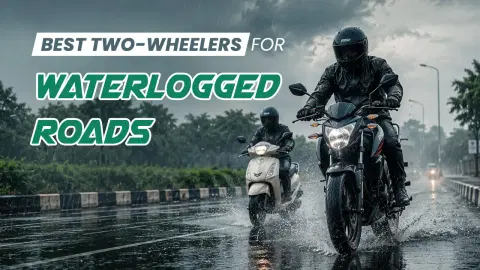
Gurugram's underpasses, Mumbai's low-lying stretches, and Bengaluru's poorly drained arterial roads all produce the same trap: water that looks shallow but hides a pothole underneath. Even an IP67-rated scooter isn't built for sustained deep-water crossings, because water pressure at the motor and controller housing behaves very differently from a static splash test. If the water level is above the footboard, turn back. The cost of a soaked motor or controller isn't trivial — replacing a damaged battery pack on a mid-range EV scooter can run anywhere from ₹45,000 to ₹80,000, a serious chunk of the scooter's own price.
What Happens to Your Warranty and Insurance If Water Gets In
This is the part most owners skip until it's too late. Two things typically void cover:
- Warranty: deliberate water crossings, unauthorised high-pressure washing, or any sign of tampering with the battery housing
- Insurance: evidence the vehicle was ridden through standing water after visible warning signs, or a faulty home charging setup that caused the damage
Comprehensive policies usually do cover genuine flood-related motor damage — the exclusions are about avoidable risk, not rain itself. Keep service records current and avoid getting the battery area pressure-washed at a random roadside outlet. A dedicated pre-monsoon inspection covering connectors, brake pads and underbody seals typically falls in the ₹500–₹1,500 range at an authorised centre, in line with standard two-wheeler service pricing.
EV vs Petrol Scooter Maintenance During Monsoon
Petrol scooters have their own monsoon headaches — damp spark plugs, water in the air filter, carburettor trouble on older models — but these are usually cheap, quick fixes at any roadside mechanic. An EV's problems are rarer but potentially far costlier when they do happen.
| Issue | Petrol Scooter | Electric Scooter |
| Common monsoon fault | Damp spark plug, wet air filter | Compromised battery/controller (rare) |
| Typical fix cost | Under ₹500, roadside mechanic | ₹45,000–₹80,000, authorised service centre |
| Frequency | Fairly common | Rare with basic precautions |
| Diagnostic help | None built-in | App-based alerts (Ola S1, Ather Rizta flag unusual battery temperature or charging behaviour) |
EVs also skip fuel-line and exhaust corrosion entirely, which petrol scooters can't avoid over a long monsoon season.
Handled properly, an EV is not the fragile monsoon liability some riders assume it is. That's really what taking care of your EV in monsoon boils down to: dry connectors, sensible charging, respect for standing water, and a service check before the season peaks. Check the on-road price and EMI for the EV scooter you want in your city on Drivio.
How to take care of your EV in monsoon comes down to three habits: keep the battery pack dry, keep the charging port clean, and never trust an IP rating more than common sense. Every electric scooter sold in India today, from the TVS iQube to the Bajaj Chetak, is built to handle rain and splashing, with prices running from around ₹96,400 to ₹1.62 lakh ex-showroom depending on variant.